
Posted in Kitchen Remodeling
Beyond the Blank Canvas: Why Warm Neutrals and Earth Tones are Dominating Kitchen Design
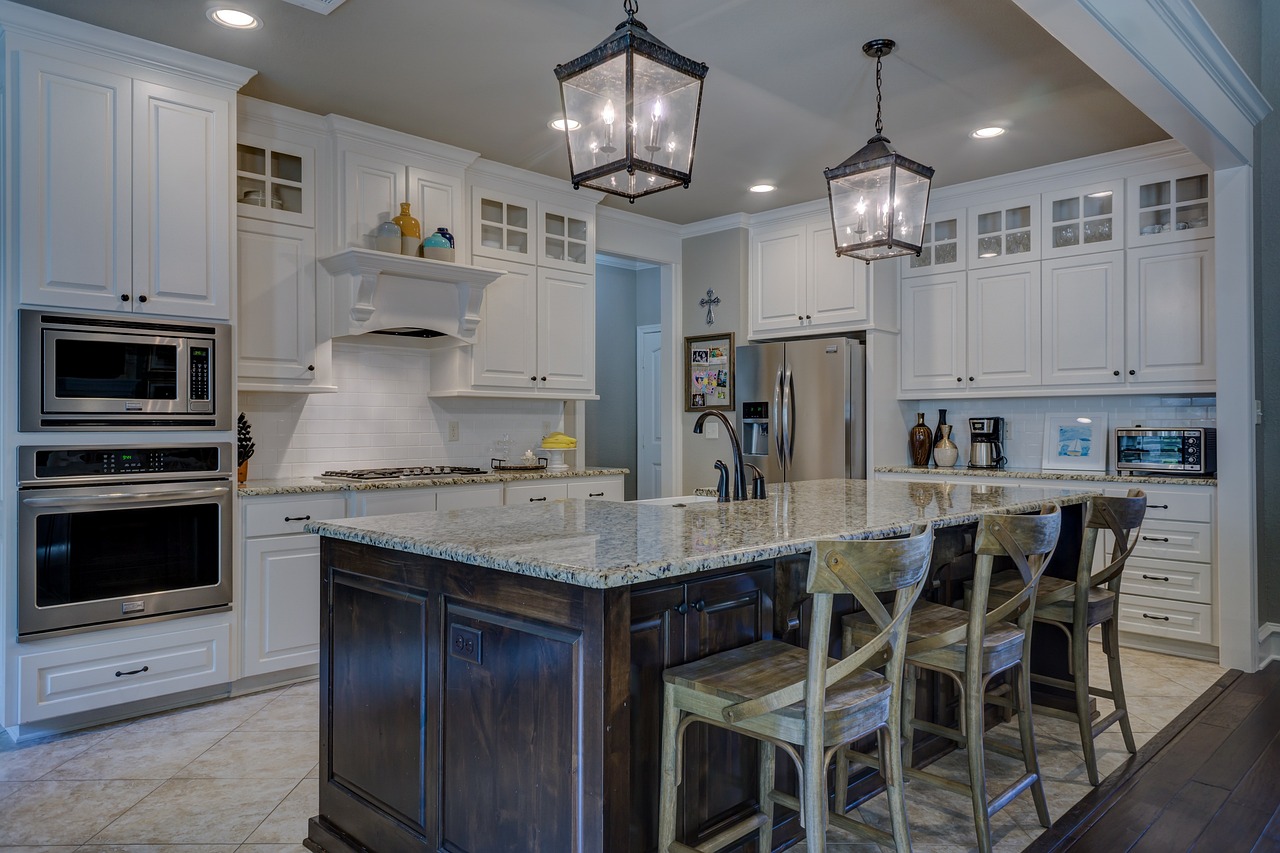
For nearly a decade, the recipe for a modern kitchen was simple: stark white shaker cabinets, cool gray walls, and polished chrome finishes. It was clean, minimalist, and universal. It was also, as many homeowners are realizing, a bit cold.
The era of the clinical, all-white kitchen has officially come to a close. Today, the design world is experiencing a major shift away from sterile minimalism toward spaces that feel layered, cozy, and deeply connected to nature. If you are planning a remodeling project, the ultimate goal is no longer to make the kitchen look like a polished showroom—it’s about injecting warmth, depth, and personality.
Here is a breakdown of why warm neutrals and earth tones are dominating the landscape, and how you can bring this enduring trend into your own home.
1. Warm Neutrals: The “New Whites”
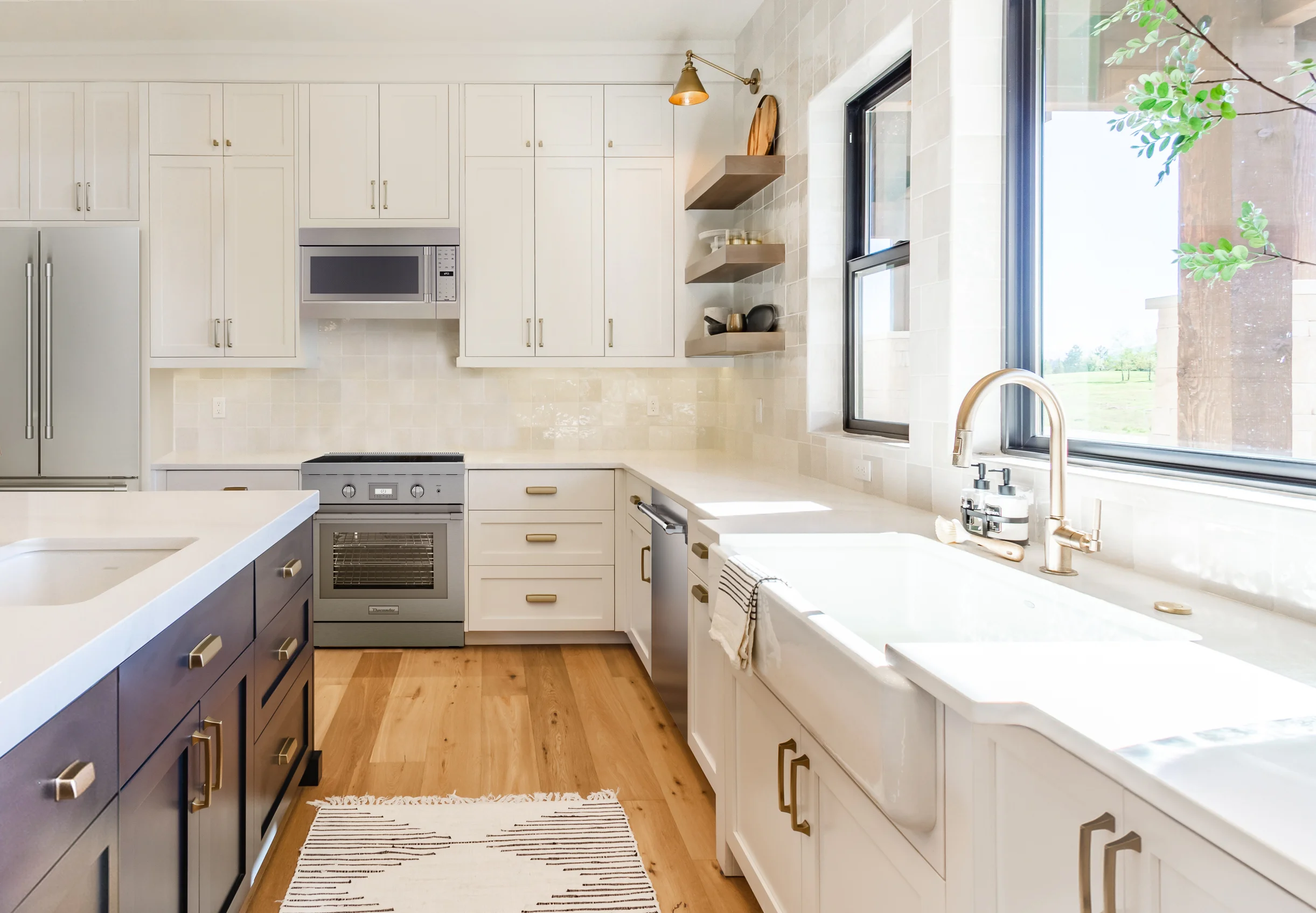
Stark builder-white is taking a back seat to what designers call the “new neutrals.” These are versatile, soft tones with inherently warm undertones—think cream, taupe, mushroom, and warm beige.
According to data from the National Kitchen & Bath Association (NKBA) Kitchen Trends Report, an overwhelming 96% of industry professionals now name warm neutrals as the top kitchen color direction.
Why it works: Warm neutrals provide the exact same benefits as classic white—they keep a kitchen feeling bright, airy, and visually spacious—but without the harshness. They soften the room and act as an incredibly forgiving, adaptable backdrop for natural stone countertops and metallic hardware.
2. Earthy Greens and Muted Blues
When homeowners do want to step away from neutrals and embrace color, they aren’t reaching for bright, loud primary colors. Instead, they are turning to complex, nature-inspired hues that evoke a sense of tranquility and wellness.
The clear standout here is sage green, alongside its deeper cousins, olive and eucalyptus. The NKBA data ranks green as the #1 trending accent color for kitchens at 86%, closely followed by blue at 78%.
Furthermore, major paint manufacturers have leaned heavily into this biophilic movement; for instance, Valspar selected Eucalyptus—a soothing gray-green designed to create a restorative, “spa-like” atmosphere—as a defining color of the year (Alina Maria Design). These muted, grounded tones offer a safe, elegant transition for anyone looking to move away from an all-white kitchen without making the space feel dark or cramped.
3. The Return of Rich, Stained Wood
Perhaps the most significant shift in cabinetry is the roaring comeback of natural wood grains over painted finishes. For the first time in years, light wood stains have captured the top spot for preference among homeowners. A comprehensive cabinetry report by MasterBrand noted that light wood stains have officially overtaken white as the most preferred cabinet finish.
-
White Oak: Leading the pack by a landslide, white oak is favored by 51% of designers for its clean lines, subtle grain movement, and organic warmth.
-
Walnut & Elm: For those seeking a touch of “quiet luxury” and mid-century modern sophistication, rich walnut and warm elm are increasingly popular choices for accent walls, custom range hoods, and kitchen islands.
How to Apply This Trend (Without Overdoing It)
If you love this look but are afraid of your kitchen looking too dark or entirely brown, you can easily execute this trend using a layered, two-tone approach:
| Kitchen Element | The Trend-Forward Approach | Why It Works |
| Perimeter Cabinets | Rich pale cream or soft mushroom | Keeps the overall footprint of the kitchen bright and open. |
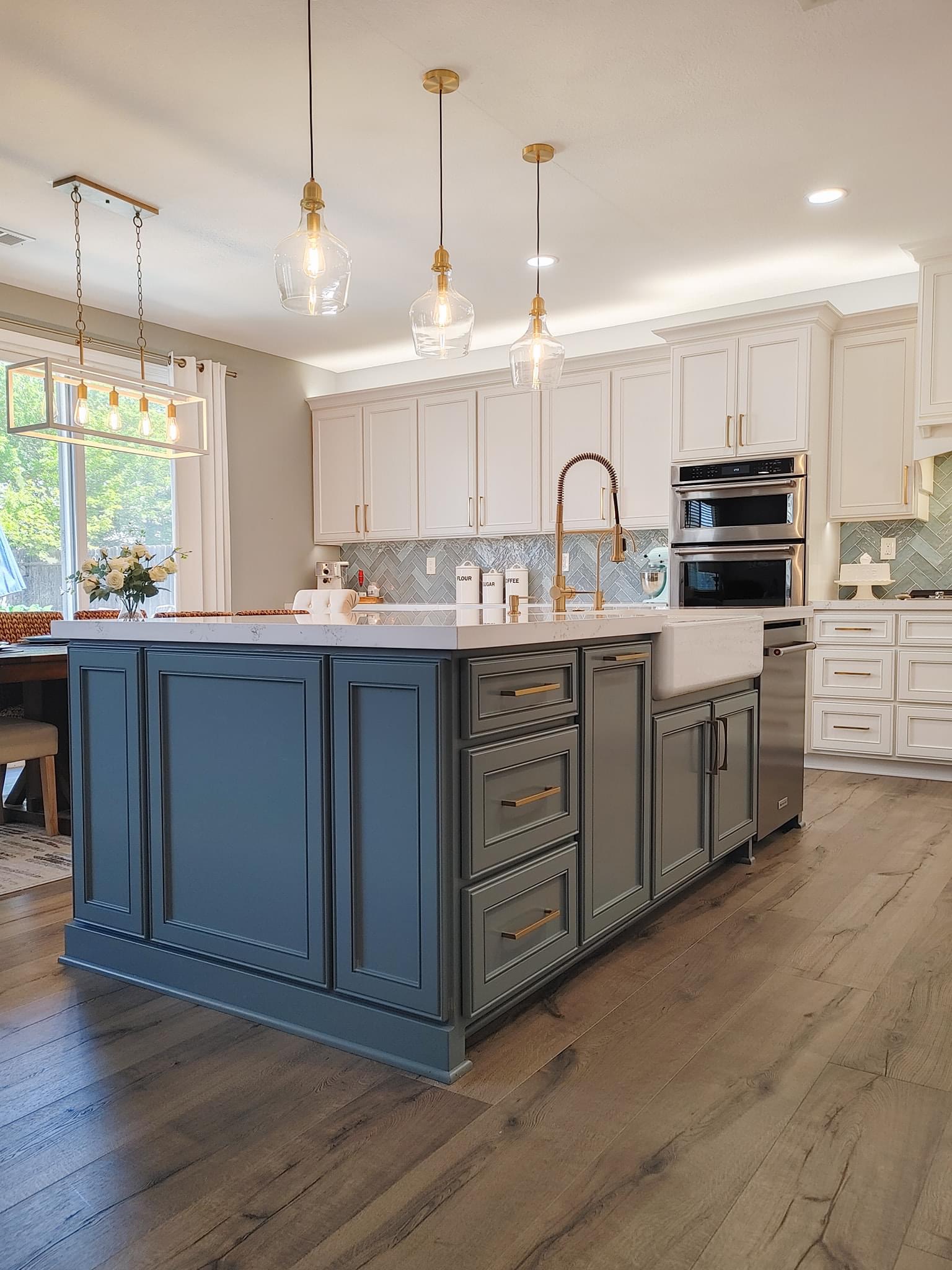
| The Kitchen Island | Stained white oak or earthy sage green | Creates a grounded, furniture-like focal point in the center of the room. |
| Hardware / Fixtures | Brushed brass, unlacquered brass, or matte bronze | Acts as “jewelry” that amplifies the warm undertones of the cabinets. |
| Countertops | Warm-veined quartz or natural quartzite | Ties the wood grains and paint colors together seamlessly. |
The Bottom Line
Choosing an organic modern palette isn’t just about chasing what’s popular on Pinterest. Earthy tones, warm whites, and natural wood grain hide daily wear and tear exponentially better than high-gloss, bright white surfaces. By shifting toward a nature-inspired palette, you are investing in a classic design that brings longevity, comfort, and immediate value to the heart of your home.
This Sophisticated Sage Green Cottage Kitchen Tour Video provides an excellent visual example of how to seamlessly combine sage green cabinetry with natural wood textures to create a cohesive, warm design.
Ready to Bring Warmth and Value to Your Kitchen?
Whether you are aiming for the quiet luxury of white oak or the tranquil vibes of earthy sage green, a successful remodel requires a clear understanding of your project’s scope, budget, and design goals.
If you are ready to move away from cold, stark designs and want expert guidance on selecting the perfect palette for your home, schedule a consultation with Kitchen Experts of Pleasanton today. Our local team will help you navigate your options and choose high-value, trend-forward finishes tailored to your budget, needs, and unique vision.